Pigmentation Removal Options
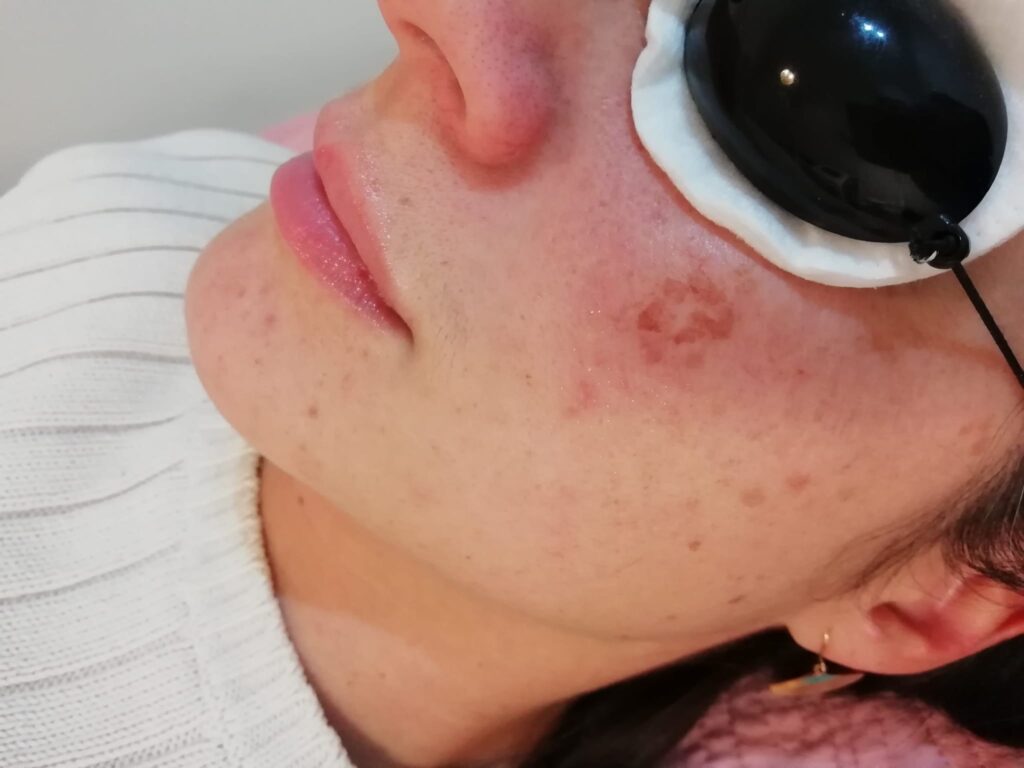
This time of the year is the perfect for several face and body treatments such as: 1. pigment removal (IPL treatment or Photo Facial) 2. laser hair removal Let’s focus on pigment removal today! Melanin is a substance in your body that produces hair, eye and skin pigmentation. The more melanin you produce, the darker your eyes, hair and skin will be. Levels of melanin depend on race and amount of sunlight exposure. Sun exposure increases melanin production to protect the skin against harmful UV (ultraviolet) rays. In addition, hormonal changes can affect melanin production. Furthermore, areas of skin can darken after people have had inflammation of the skin. This can include acne, eczema, lupus, or an injury to the skin. People with darker skin are more likely to develop post-inflammatory hyperpigmentation. The hyperpigmentation related to vitamin B12 deficiency can also occure and is more common in darker-skinned people. From the above written it is clear that there are many reasons why a person develops pigment issues on the skin. It is important to find out the cause of it before starting any treatment. Is Vitamin C Wonder Ingredient Against Pigment? The answer is clearly NO. This ingredient is not good for every skin type and please, do not just buy it, always consult the beauty therapist to advise you the best solution for you skin type. Which Ingredients Are The Best Against Pigment? Here are the best ingredients in skincare products if you want to brighten an uneven complexion. The most important is to use the product that contains the good formulation of those ingredients. Please, consult us before going on the buying spree. Retinol Licorice Extract Niacinamide Azelaic Acid Mandelic Acid Arbutin Kojic Acid ASPA Client Story Here is an example of the client who came at the start of the year. She wanted to improve her pigment issues. We firstly started with the correct skincare at home and SPF50+ sun protection. After several months of only using the skincare, we embarked on our first pigment removal treatment which is called IPL treatment (Intense Pulsating Light treatment). She will do the second IPL treatment this month and will probably need at least another IPL treatment and then regular top up every year to keep the pigment under control. Photo 1- The skin before we started with the IPL treatment Photo 2- The result after 1 IPL treatment- 4 days after the treatment Photo 3- the result after 1 IPL treatment- 1 week We highly recommend IPL treatments or as some people call it Photo Facials for the whole face and not only for pigment issues. Why? Photo Facial or IPL treatment is a professional treatment to reduce or eliminate the signs of sun damage, minimize rosacea or hyperpigmentation, and reduce the appearance of fine lines and wrinkles. In addition to boosting collagen production, Photo Facial or IPL treatment can help tighten skin as well. Reduction of large pores, removal of brown spots, reduction in the appearance of capillaries, and correction of uneven skin tone are some of the major benefits of this popular skin treatment. It is important to remember that every skin is different and personalized approach is the key to the success. The other important factor in skincare is consistency and patience, then results will come! Please, do not forget lifestyle such as using sun protection every day and nutrition. What foods help with skin pigmentation? Eating vitamin C–rich foods like citrus, berries, and leafy green vegetables as well as tomato, salmon, almonds and yogurt may optimize melanin production. Taking a vitamin C supplement such as Altrient vitamin C may help as well. Which food should avoid in pigmentation? Avoid fatty items like foods fried deep in oil as they can cause damage to your skin by causing dark patches, inflammation, and hyperpigmentation. If you have any questions, please contact us via info@aspadirect.com We are looking forward to see you at ASPA soon. Kind Regards, Azra
Do you suffer from pigmentation or redness on your skin?
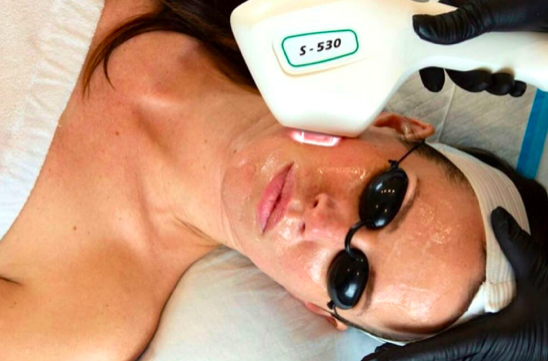
Do you suffer from pigmentation or redness (couperose) on your skin? If yes, let us inform you what it possible to be done! At ASPA we treat various skin complaints by means of IPL (Intense Pulsed Light). IPL treatment is an effective technique in which light is absorbed by the target (especially pigment or vessels). The heat destroys pigment or vessels. IPL treatment against pigmentation spots Our skin contains the so-called melanin. When your skin comes into contact with the sun, this melanin colors and eventually gives your skin a color. As one gets older, the skin may color irregularly and this can lead to pigmentation. The pigment spots are often on the hands, décolleté and face. These are the most common areas exposed to sunlight. This can make your skin look much less even. We completely understand that you want to get rid of your pigmentation spots so that your skin looks more even, smoother and younger. Our skin specialists can treat pigmentation spots easily and safely with a customized IPL treatment. IPL treatment against couperose Many of us suffer from redness (couperosis) in the face. This can be genetically determined or due to your lifestyle (being outside a lot, alcohol use, work environment, etc..). When the vessels of the skin are weak and break due to the constant narrowing and widening, we see a red/purple vessel arise just under the skin. An IPL treatment is the solution against couperose and redness in the face. IPL treatment for tighter and firmer skin A ‘photofacial’ or Skin Rejuvination Facial are terms usually used, but it means a skin-improving treatment done with light in this case, IPL. Here, the IPL is used to heat the fibroblasts in the skin – the cells that make collagen – and this stimulation encourages the fibroblasts to produce new collagen, to improve and firm the look of the skin. This treatment will help the whole face to look fresher and clearer, too. How does an IPL treatment work? The name Intense Pulse Light actually says it all. By giving a pulse of light on the pigment spot or couperose, heat is created that removes the pigment or redness. It is a short treatment and the result can be seen immediately. You can also opt for specific part of the face or a full IPL facial treatment. If you suffer from blemishes, redness and pigment in multiple places in the face, we recommend a full face IPL treatment. Are there any side effects to IPL? IPL is considered a safe treatment, but it can still have side effects. These are the four side effects you’re most likely to experience: You may feel discomfort or pain during the treatment. Your skin may turn pink and may become somewhat sore after the treatment. For a few days after IPL, your skin may be red, or may swell or peel, as if you had suffered a mild sunburn – though be aware this is unusual, and it may be an indication that the treatment you were given was at too high a level. If you have had freckles or age spots treated, they will look darker for up to a week before gradually disappearing. About one in ten IPL patients also experiences bruising after treatment. Two other side effects that occur occasionally after IPL treatment are hyperpigmentation and hypopigmentation: means ‘too much pigmentation’. In hyperpigmentation, a treated area of skin becomes darker – much like when you get a suntan – because the treatment has stimulated melanin from epidermal melanocytes, the skin cells that produce melanin. Hyperpigmentation is more likely to occur on darker skin, and it can usually be reversed by treatment. But it is a compelling reason for not treating darker skin with IPL. means ‘too little pigmentation’. Hypopigmentation occurs if the IPL treatment heats up the melanocytes to the point at which it destroys them, leaving pale patches. Hypopigmentation is not reversible. Would you like personal advice from one of our skin specialists? Please, call us on 0651137656 or send us an email: info@aspadirect.com.